November 4, 2026
A diesel truck can be a dependable work vehicle, a daily driver, or a way to explore rougher roads. Owners sometimes want a different exhaust note, more room beneath the vehicle, or stronger performance when towing. Those goals are related, but they do not always require the same modifications. A change that works well on an off-road truck could make a commuter less comfortable or reduce its towing capability.
Before replacing parts, consider how the truck is used and which problem needs solving. Reputable diesel mechanic shops can help distinguish a genuine performance issue from a preference for sound or appearance. Planning around the vehicle's original specifications makes it easier to protect reliability, stay within applicable regulations, and spend money where it will matter.
Understanding How Diesel Engines Deliver Power
Diesel engines use compression to heat air before fuel is injected and ignited. Their operating characteristics often make them suitable for demanding jobs, particularly when steady torque is needed for moving heavy loads. Actual towing ability, however, depends on the entire vehicle, including its transmission, cooling system, brakes, frame, and manufacturer ratings.
Turbochargers help many modern diesel engines deliver power by using exhaust energy to compress incoming air. That extra air can support combustion under the engine's designed operating conditions. A larger turbocharger is not automatically an improvement: poor component matching can change response, increase stress, or create problems with other systems.
The need for qualified expertise is widespread. According to the U.S. Bureau of Labor Statistics, there are about 25,600 openings for diesel service technicians and mechanics each year, on average. For owners, the practical lesson is to choose technicians familiar with the truck's engine, electronic controls, and maintenance requirements before approving specialized work.
Evaluating Your Truck's Existing Sound
A diesel engine's sound comes from combustion, mechanical movement, the intake, and the exhaust. A noticeable change in that sound does not necessarily mean the truck needs an upgrade. Rattling, hissing, new vibration, or an unusually loud exhaust may instead indicate a loose bracket, a leak, or a component that needs attention.
Start by describing what you hear and when it happens. A noise that appears only under acceleration can have a different cause from one heard at idle. Diesel mechanic shops may inspect exhaust hangers, joints, shielding, and related components to determine whether a repair should come before any customization.
A well-maintained factory system may already provide the best balance of cabin comfort, acceptable noise, and dependable operation for everyday driving. An exhaust that sounds appealing outside the truck can become tiring on long trips, especially if it produces a low-frequency drone inside the cab.
Choosing Exhaust Components Carefully
Mufflers and resonators shape exhaust sound in different ways. A muffler generally reduces overall noise, while a resonator can target particular frequencies. Compatible replacement components may offer a different tone without requiring a complete redesign of the exhaust system.
Vehicle specifications and emissions equipment set important boundaries. Removing or disabling required diesel particulate filters, catalysts, or other emission controls can violate federal or state law. An aftermarket part advertised for competition use should not be assumed legal on public roads. Local noise requirements can apply even when a modification leaves emissions systems intact. For a safe change, diesel mechanic shops should explain how new parts integrate with existing equipment.
Before purchasing anything, ask how the proposed change affects exhaust routing, heat protection, towing use, and cabin noise. A professional can also check for leaks and sufficient clearance near wiring, fuel lines, and other sensitive parts. The goal should be a sound you enjoy without introducing avoidable safety or compliance problems.
Improving Clearance Without Losing Stability
Ground clearance determines how much room exists beneath parts of the truck when crossing obstacles. It matters for uneven job sites and trails, but additional height is not always beneficial on paved roads. Raising a vehicle can change its center of gravity, steering geometry, and handling, particularly during sudden maneuvers.
Suspension lifts and body lifts work differently. A suspension lift alters the relationship between the frame and suspension components, while a body lift raises the body relative to the frame on certain vehicles. Neither approach automatically raises the lowest point of a solid axle; taller tires may affect that measurement more directly.
Experienced diesel mechanic shops can help owners understand how modifications interact with steering, brake hoses, driveline angles, and alignment. Weight ratings and towing geometry also deserve attention. Any suspension plan should respect the vehicle's intended use, installation instructions, and local restrictions on vehicle height.
Selecting Tires and Wheels for Real Conditions
Larger tires may improve clearance under an axle and help with some terrain, but they introduce tradeoffs. Heavier tires can affect acceleration, braking, fuel consumption, and steering feel. A change in overall tire diameter can also affect speedometer readings and the way the transmission operates.
Tread choice matters just as much as size. Aggressive off-road tires may provide useful traction in mud or loose ground, yet generate more road noise and wear differently on pavement. A work truck that travels long highway distances may benefit more from a durable, properly rated tire suited to its usual loads.
Check tire load capacity, wheel compatibility, and available space throughout steering and suspension travel. Rubbing at full lock or under compression is not simply a cosmetic issue. After significant changes, an alignment inspection and any necessary vehicle-specific recalibration can help address avoidable handling problems.
Protecting Reliability During Performance Changes
More engine output can place additional demands on the cooling system, transmission, drivetrain, and brakes. A truck used to tow near its rated capacity may need dependable temperature control far more than extra peak horsepower. Fueling or electronic changes made without adequate testing can create excessive heat or stress components.
Before pursuing modifications, diesel mechanic shops can evaluate baseline concerns such as warning lights, fluid leaks, restricted filters, or abnormal operating temperatures. Restoring a truck to proper working condition may resolve complaints that initially seemed to call for aftermarket parts. Diagnostic information is especially valuable on electronically controlled engines.
Any proposed upgrade should have a clear purpose and be compatible with manufacturer guidance and legal requirements. Altering engine calibration can affect warranty coverage, emissions compliance, and long-term operation. Ask what supporting changes or maintenance the modification would require before committing to it.
Maintaining Air, Fuel, and Emissions Systems
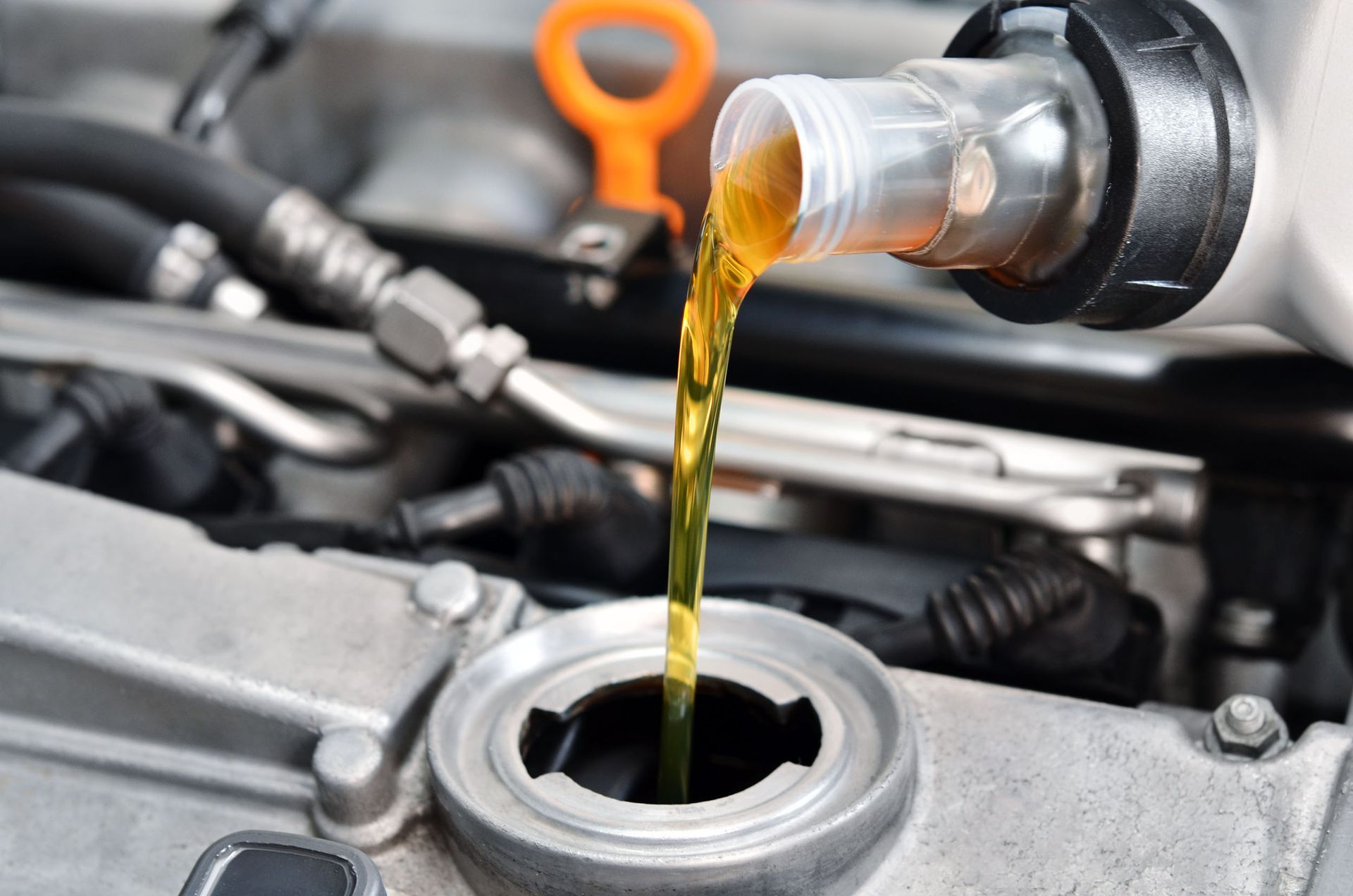
Routine maintenance influences how a diesel truck feels and performs. Fuel filters, air filters, engine oil, coolant, and other service items have schedules that vary by model and operating conditions. Towing, dusty roads, extensive idling, and frequent short trips can change maintenance needs, so the owner's manual should guide decisions.
Modern diesel trucks also rely on emission-control components, including diesel particulate filters and, on many models, selective catalytic reduction systems. Dashboard warnings related to these systems deserve diagnosis rather than being ignored or bypassed. An unresolved fault can affect performance and may lead to operating restrictions on some vehicles. Experienced diesel mechanic shops can compare warning codes with maintenance history before recommending repairs.
Keeping service records makes it easier to identify recurring issues and explain a truck's history to a technician. If fuel economy or acceleration changes unexpectedly, compare driving conditions and loads before assuming a single component is responsible. A careful inspection is more useful than replacing parts through guesswork.
Planning Professional Work Around Your Goals
A successful project begins with specific priorities. Tell the shop whether you want a quieter cabin, a different exhaust tone, better clearance on rough access roads, or reliable performance while hauling. Share the truck's model, current modifications, and typical loads so recommendations match its actual use.
When comparing
diesel mechanic shops, ask about experience with your vehicle, parts compatibility, written estimates, and the checks performed after installation. Request an explanation of possible effects on warranty coverage, emissions compliance, and future maintenance. A clear answer is more valuable than an unsupported promise of dramatic gains.
Scotty's Complete Car Care Center can be a starting point for discussing vehicle maintenance concerns and confirming which inspections or services are available for your truck. Whatever changes you consider, prioritize a sound vehicle, appropriate components, and qualified workmanship. Thoughtful choices can make a diesel truck more enjoyable without losing sight of the dependable performance that makes it useful.