October 23, 2026
Mountain driving presents unique challenges that put additional strain on vehicle components, particularly brakes and suspension systems. The rugged terrain, steep inclines, and descents require drivers to brake more frequently and with greater force, accelerating wear and tear. Understanding the mechanical implications of mountain driving is crucial for vehicle maintenance and safety, setting the stage for exploring specific issues such drivers face.
Brakes are fundamental for vehicle safety and become even more critical when navigating mountainous areas due to the increased demands placed on them. The need for efficiency and reliability in these systems grows, leading to faster degradation of brake pads and rotors under mountain conditions. Similarly, suspension systems absorb the shocks and bumps of uneven terrain, complicating the dynamics of the vehicle's handling and further enhancing component wear.
The raw and unpredictable nature of mountain roads contrasts sharply with urban or suburban driving environments. Drivers must adapt to constantly changing conditions, requiring comprehensive understanding and preparation. This article delves into the mechanics of braking and suspension wear during mountain driving, offering insights and strategies for minimizing damage and extending the lifespan of vehicle systems with an auto repair shop.
The Mechanics of Braking in Mountain Terrain
Increased Frequency of Braking
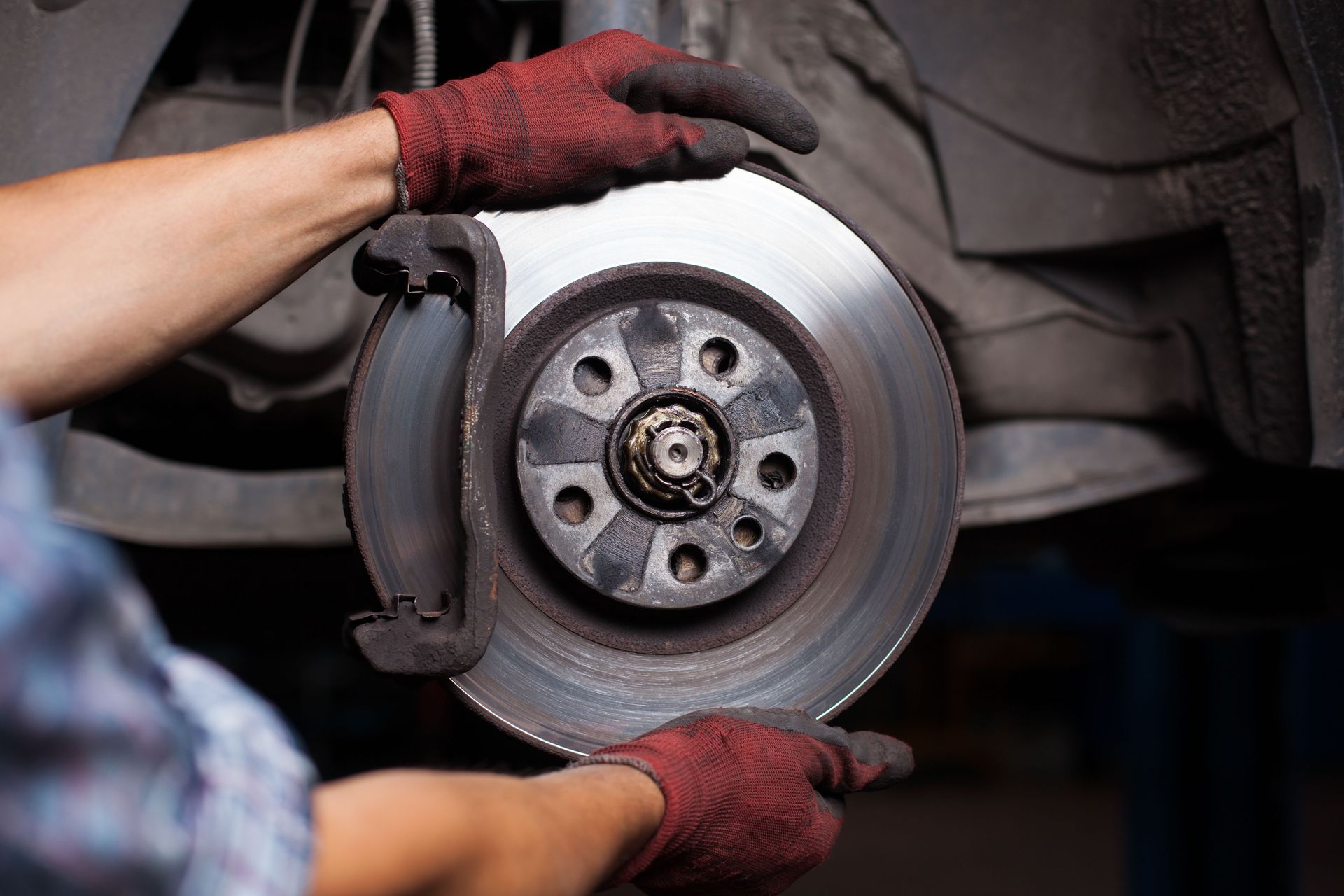
Driving in mountainous regions demands frequent and intense braking to control speed and navigate steep descents and sharp curves. Consequently, brakes are in near-constant use, significantly increasing wear on pads and rotors compared to more level terrain. Excessive contact between the braking components generates heat and accelerates deterioration, leading to repairs or replacements. Regular checks and maintenance can mitigate these effects, ensuring the brake system functions effectively when most needed. Being proactive about brake servicing with an auto repair shop is crucial, especially when frequently driving in mountainous regions.
The Impact of Steep Descents
Steep descents pose a particular challenge for braking systems, as they require the driver to apply sustained braking pressure to maintain a safe speed. This can lead to overheating, diminishing the brakes' effectiveness and increasing the risk of brake fade, where brakes lose their ability to slow the vehicle efficiently. Brake fade is hazardous and intensifies wear, potentially compromising the brake pads and calipers' structural integrity. Ensuring a vehicle's brakes are in optimal condition can prevent accidents and ensure safe mountain descents. Regular inspections and timely maintenance are critical components in preventing damage from long downhill stretches.
The Role of Engine Braking
Engine braking is a valuable technique for controlling speed without relying solely on wheel brakes, alleviating part of the strain on brake systems. By downshifting to a lower gear, the engine assists in slowing down the vehicle, reducing brake usage and preventing heat-related issues. However, it requires understanding a vehicle's drivetrain dynamics to apply effectively on steep mountain roads. Drivers must be trained to balance engine and regular braking to maximize safety and efficiency. Proper use of engine braking extends the life of the brakes while promoting smoother and safer descents.
Heat Buildup and Its Consequences
Heat buildup is a significant contributor to brake wear, particularly in the context of mountain driving. As brakes are applied, friction generates heat, which can be excessive during sustained or harsh braking situations, leading to the deformation of brake components. Brake fade varies significantly based on brake materials and vehicle type but remains a critical issue in mountainous terrains. To counteract these effects, manufacturers now incorporate various technologies and materials designed to withstand elevated temperatures. Drivers should remain vigilant for any changes in braking performance as early indicators of overheating and potential issues, and take their vehicle to an auto repair shop for checks.
Material Wear and Tear
The materials that comprise brake pads and rotors fall victim to increased wear when exposed to consistent mountain driving conditions. Over time, this wear leads to reduced braking efficiency, requiring more frequent replacements and inspections. Many drivers underestimate the accelerated degradation, leading to dangerous braking situations in mountain descents or sharp curves. Regular maintenance checks with an auto repair shop, scheduled ideally every six months or every 6,000 to 10,000 miles, according to John Bean, are essential for maintaining brake integrity. Investing in high-quality brake materials may reduce wear rates and extend service life.
Suspension System Strain from Uneven Terrain
Constant Adjustment to Irregular Surfaces
Mountain terrains demand that vehicle suspension systems continuously adjust to irregular road surfaces. These systems absorb bumps and maintain vehicle stability, essential for navigating challenging mountain roads. Continuous stress and adjustments can lead to premature wear on shocks, struts, and other suspension components. Over time, this wear results in a harsher ride and can compromise vehicle handling, contributing to the discomfort and risk of driving in mountainous regions. Proactive maintenance, including regular inspections and timely replacement of worn suspension parts, ensures a stable and comfortable driving experience.
The Effect of Potholes and Rock Debris
Mountain roads are often unpredictable, with potholes and rock debris posing hazards to vehicle suspensions. These obstacles can cause sudden and severe impacts, damaging suspension components, including struts, shocks, and control arms. The cumulative effect of these impacts results in misaligned wheels, reduced tire life, and increased wear on suspension parts, leading to frequent repairs. Regular wheel alignment checks, required every six months or after significant impacts, are crucial for maintaining proper suspension function. Staying alert and driving at appropriate speeds can mitigate these impacts, prolonging the lifespan of vital suspension components.
Increased Shock Absorber Activity
The demands of continuous adjustments to uneven terrain significantly increase the activity of shock absorbers. Their primary role is to dampen vibrations and shocks, ensuring the vehicle's wheels maintain contact with the road for optimal handling. Constant stress from mountain driving leads to quicker fluid degradation and piston wear within the shocks, reducing their efficiency and performance. Frequent checking and timely replacement of shock absorbers prevent further damage to the suspension system. A well-maintained shock system not only ensures comfort but also enhances safety and vehicle control.
Stress on Springs and Joints
The suspension system's springs and joints are critical in maintaining stability and absorbing road shocks, especially on bumpy mountain terrains. Over time, these components endure significant stress, leading to fatigue cracks, sagging, and weakening, which can impact the vehicle's ride quality and safety. Regular inspections and recommended maintenance schedules will detect wear early, preventing costly repairs and ensuring safety on mountainous drives. Proactive care ensures vehicle comfort and handling remain at peak levels, offering peace of mind when traveling through rough terrain. Drivers must remain cognizant of the signs of worn springs and joints to address issues promptly with an auto repair shop.
Alignment Issues Due to Rough Roads
Regular exposure to uneven and rough mountain roads can throw vehicle alignments off-kilter, affecting both handling and tire wear. A misaligned vehicle leads to uneven tire wear, strained suspension components, and a less safe driving experience due to compromised control. Alignments are best checked every 6,000 to 10,000 miles or following any hard impacts, as recommended by automotive experts like John Bean. Addressing alignment issues promptly ensures that vehicles operate efficiently and safely, maximizing tire and suspension component lifespan. Proper alignment also enhances fuel efficiency and provides a smoother and more controlled ride.
Navigating mountain terrain places immense stress on your vehicle's braking and suspension systems, making proactive maintenance essential. Frequent checks, proper driving techniques, and timely repairs protect your vehicle from excessive wear. Partnering with a trusted auto repair shop ensures your car remains safe, reliable, and fully equipped to handle challenging high-altitude roads. Call Scotty's Complete Car Care Center when you need a professional auto repair shop.