June 15, 2026
Modern vehicles are more advanced than ever, relying on complex systems that work together to deliver performance, safety, and reliability. When something goes wrong, identifying the source of the issue requires more than a glance under the hood. Professional technicians use a combination of experience, technology, and systematic testing to pinpoint problems accurately and efficiently. Understanding how this process works can help vehicle owners appreciate the value of professional auto repair and make informed decisions when their cars begin showing signs of trouble.
The demand for skilled diagnostics continues to grow as vehicles become increasingly sophisticated. In fact, according to Curbee, the United States currently has roughly 16 independent repair shops for every franchised dealership in business, highlighting the important role independent service providers play in keeping drivers on the road. Whether a vehicle is experiencing unusual noises, warning lights, performance issues, or electrical malfunctions, a structured diagnostic process helps technicians identify the root cause of the problem rather than simply treating symptoms.
Observation
The diagnostic process often begins with careful observation. Before connecting any specialized equipment, technicians gather information from the vehicle owner about the symptoms they have noticed. Ahead of auto repair, the technician will ask the customer why they've brought the car in and if they've noticed anything unusual. Details such as when the problem occurs, how long it has been happening, and whether it is getting worse can provide valuable clues.
Technicians also conduct a visual inspection of the vehicle. They look for obvious signs of wear, damage, leaks, corrosion, loose connections, or broken components. Even small details, such as uneven tire wear or fluid discoloration, can point toward larger underlying issues. This initial assessment helps create a roadmap for the rest of the diagnostic process.
Many common vehicle problems reveal themselves through sight, sound, or smell. Unusual engine noises, vibrations, burning odors, and visible fluid leaks often indicate specific mechanical concerns. By carefully observing these warning signs, professionals can narrow down potential causes before performing more advanced tests associated with auto repair.
Testing
Once preliminary observations have been made, technicians begin testing vehicle systems to verify potential causes. Diagnostic testing is essential because many symptoms can be linked to multiple issues. A rough-running engine, for example, could result from ignition problems, fuel delivery issues, sensor failures, or airflow restrictions.
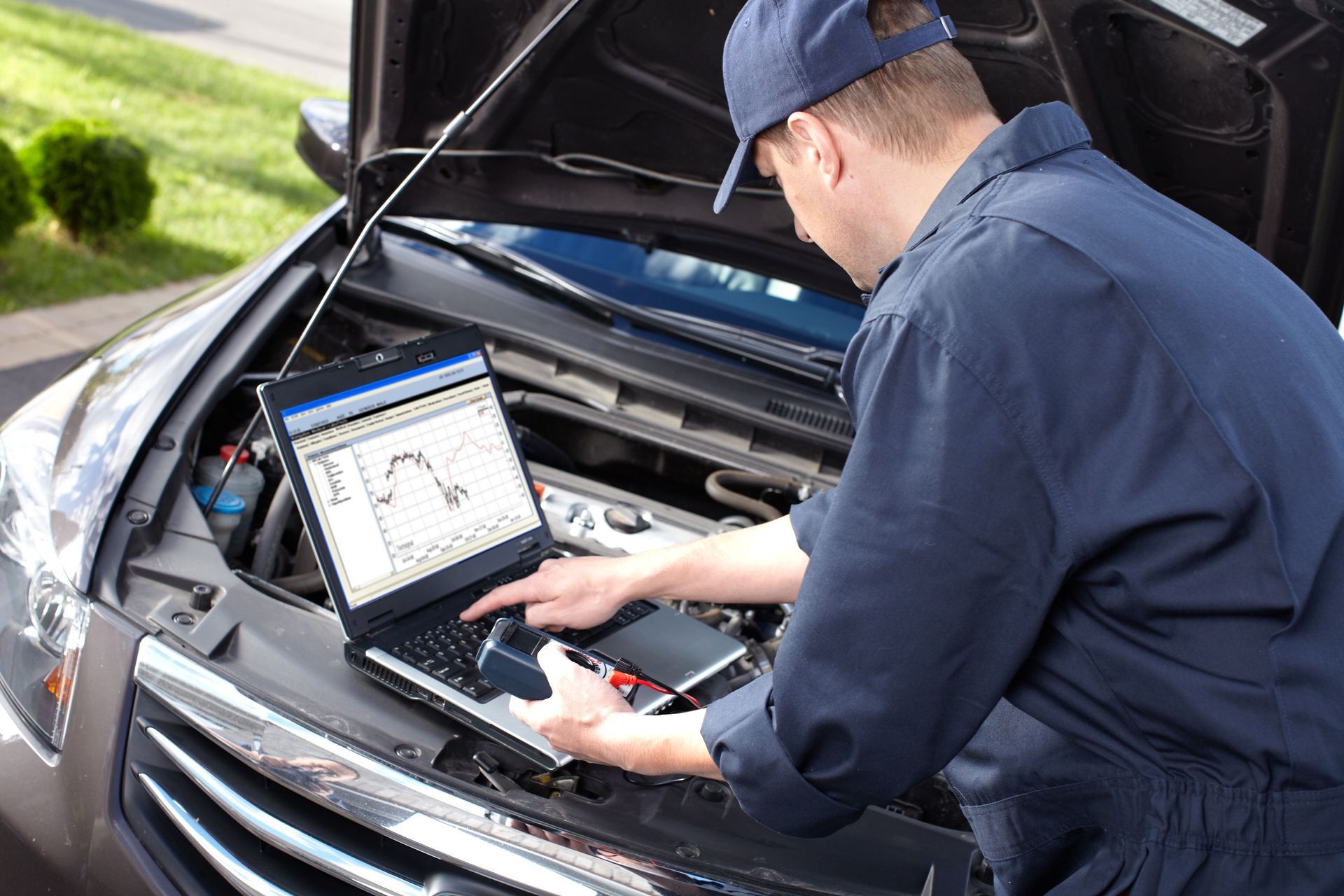
One of the most common tools used during this stage is a scan tool that communicates with the vehicle's onboard computer. Modern vehicles constantly monitor their own performance and store trouble codes when abnormalities are detected. These codes provide valuable information, but they are only the starting point. Skilled technicians interpret the data and investigate further rather than simply replacing the component named in the code.
Additional tests may include measuring fuel pressure, checking battery voltage, evaluating charging system performance, inspecting ignition components, and conducting compression tests. Each procedure helps eliminate possibilities and move closer to an accurate diagnosis. Thorough testing is a critical part of professional auto repair because it reduces guesswork and prevents unnecessary repairs.
Technicians also test systems under real-world conditions whenever possible. Some problems occur only when a vehicle reaches operating temperature, travels at highway speeds, or experiences specific loads. Replicating these conditions allows technicians to observe symptoms firsthand and gather additional information that static testing may not reveal.
Analysis
After collecting data, technicians analyze the results to determine the root cause of the problem. This stage combines technical knowledge with practical experience. While diagnostic equipment provides valuable information, understanding how different vehicle systems interact is equally important.
For example, an illuminated check engine light may indicate an oxygen sensor fault. However, the sensor itself may not be the actual problem. An exhaust leak, fuel system imbalance, or engine performance issue could cause the sensor to report abnormal readings. Proper analysis helps technicians distinguish between the symptom and the source.
Advanced software and service information databases often assist with this process. These resources provide wiring diagrams, technical service bulletins, repair procedures, and manufacturer specifications. By comparing test results against established standards, technicians can make informed decisions and avoid misdiagnosis. Effective analysis is one of the most valuable aspects of professional auto repair because it ensures repairs address the true cause of the issue.
In some cases, technicians consult repair histories and known vehicle trends. Certain makes and models may develop recurring problems that experienced professionals recognize immediately. Combining historical knowledge with current test data creates a more complete picture and increases diagnostic accuracy.
Verification
Once a probable cause has been identified, technicians verify their findings before recommending repairs. Verification is an important safeguard against unnecessary work and helps ensure customer confidence. Rather than relying solely on assumptions, professionals seek evidence that confirms the diagnosis.
This may involve performing additional tests, temporarily isolating a component, or monitoring system behavior under controlled conditions. If the suspected fault can be reproduced consistently and linked directly to the observed symptoms, confidence in the diagnosis increases significantly. Verification helps minimize errors and improves repair outcomes.
After repairs are completed, technicians typically perform post-repair testing to ensure the problem has been resolved. Warning lights are checked, diagnostic codes are cleared and monitored, and vehicle performance is evaluated. This final step confirms that the repair corrected the issue and that no related problems remain. High-quality auto repair depends on verification both before and after repairs are made.
Verification also provides an opportunity to identify secondary concerns. Occasionally, resolving one issue reveals another problem that was previously masked. By conducting comprehensive follow-up testing, technicians help ensure the vehicle leaves the shop in the best possible condition.
Technology
Modern diagnostic technology has transformed the way technicians identify vehicle problems. Today's vehicles contain dozens of electronic control modules that monitor everything from engine performance and emissions to braking systems and driver-assistance features. Specialized diagnostic equipment allows technicians to communicate with these systems during auto repair and access detailed information that would otherwise be impossible to obtain.
Advanced scan tools can display live data streams, perform component activation tests, and monitor sensor readings in real time. This capability helps technicians compare actual performance against manufacturer specifications and identify abnormalities quickly. Technology does not replace technical expertise, but it provides valuable insights that make the diagnostic process more accurate and efficient.
Many repair facilities also utilize digital inspection platforms that document findings with photos, videos, and detailed reports. These tools help technicians communicate issues clearly to vehicle owners and provide greater transparency throughout the repair process. As automotive systems continue to evolve, technology will remain an essential resource for delivering reliable diagnostic results.
Diagnosing vehicle problems is a detailed process that involves far more than plugging in a scanner and reading a code. Professional technicians rely on observation, testing, analysis, and verification to identify issues accurately and recommend effective solutions. This systematic approach helps save time, reduce unnecessary expenses, and restore vehicle reliability. As automotive technology continues to evolve, skilled diagnostics remain one of the most important components of successful
auto repair.
At Scotty's Complete Car Care Center, we take pride in using proven diagnostic methods to identify vehicle issues accurately and efficiently. We work hard to provide dependable solutions that help keep your car running safely and reliably. Contact us today and let us show you why drivers trust us for professional automotive service and support.