October 30, 2026
An engine depends on clean, properly specified oil even when a vehicle seems to be running normally. During each trip, that oil circulates through moving parts, manages heat, and carries contaminants toward the filter. These jobs happen out of sight, which makes it easy to overlook changes developing between service appointments.
A routine car oil change is important, but understanding what happens between visits is just as useful. Drivers do not need to become mechanics to notice a leak, respond to a warning light, or follow the right maintenance schedule. A few practical habits can help protect the engine and reduce the chance of an avoidable breakdown.
Understand How Engine Oil Protects Moving Parts
Engine oil creates a lubricating film between components such as bearings, pistons, and camshafts. That film limits direct metal-to-metal contact, reducing friction and wear. Oil also helps carry heat away from heavily loaded parts, although the vehicle's cooling system handles much of the engine's temperature control.
Modern engine oils contain detergents, dispersants, and other additives that help manage deposits, suspend contaminants, and resist corrosion. The oil filter captures many particles as fluid passes through it, but no filter removes every contaminant or restores additives that have been depleted.
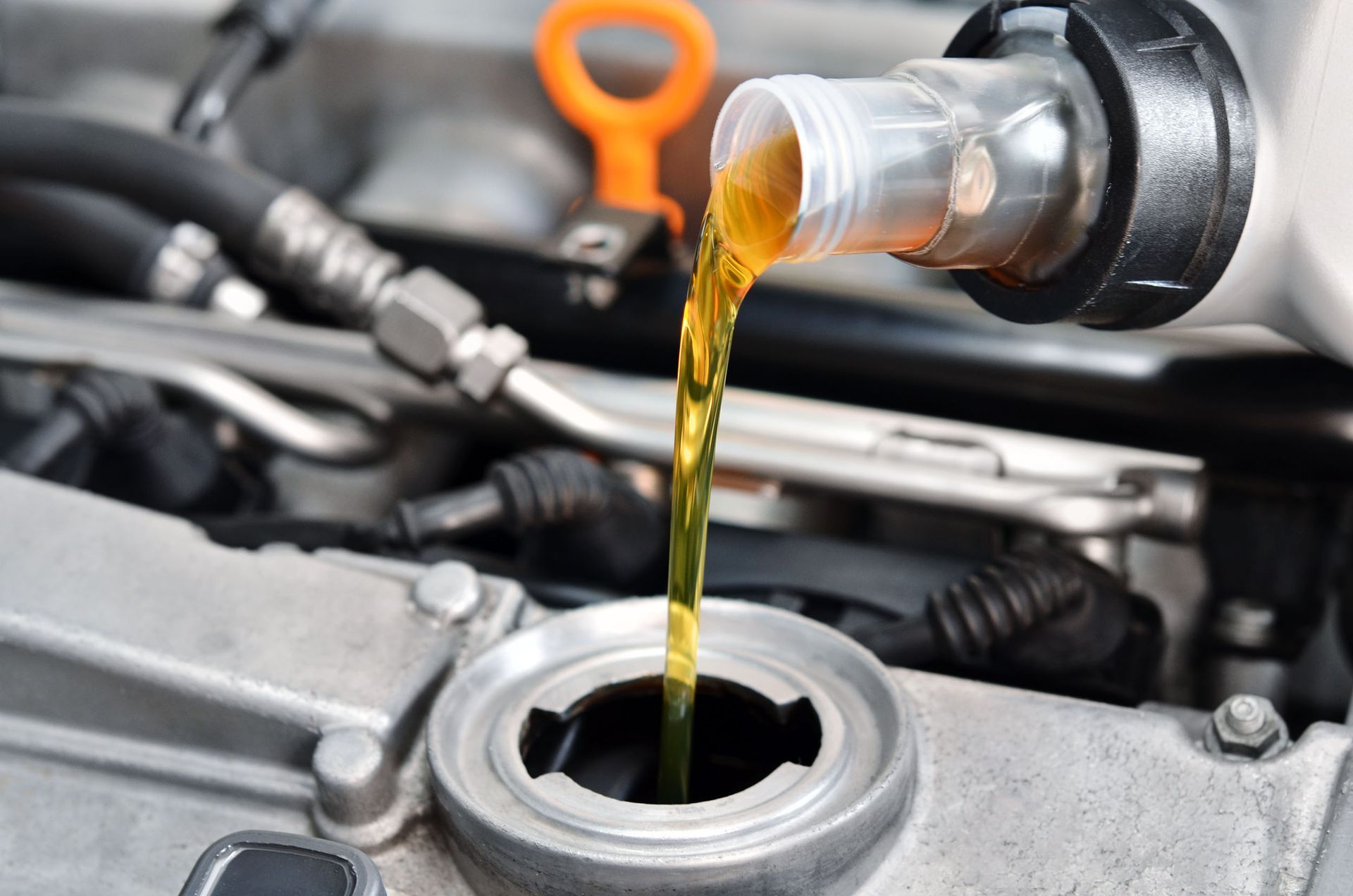
Because engine designs differ, oil cannot be selected by brand preference or viscosity alone. Check the owner's manual for the required viscosity grade and performance specification. Using the correct product during a car oil change helps ensure the lubricant flows appropriately during cold starts and continues protecting components at operating temperature.
Recognize Why Oil Changes During Everyday Driving
Oil gradually ages through exposure to heat, oxygen, combustion byproducts, and mechanical stress. Oxidation can thicken it and contribute to deposits, while repeated high-temperature operation may affect the lubricant's stability. Small amounts of fuel or moisture can also enter the crankcase, especially when an engine rarely reaches full operating temperature.
Short trips deserve attention because the engine may shut off before accumulated moisture has time to evaporate. Frequent stop-and-go travel, extended idling, towing, and dusty conditions can also influence the interval recommended by the manufacturer. These factors do not affect every vehicle equally, so a universal mileage rule is unreliable.
As oil ages, its additives can become less effective at controlling wear and contamination. A scheduled oil service removes used lubricant and, when the filter is replaced, many of the particles it contains. Following the vehicle's specific maintenance instructions is more dependable than judging service needs by oil color alone.
Check Oil Levels and Look for Unusual Changes
Between each car oil change, checking the oil level can reveal a problem before it causes extensive damage. Follow the owner's manual: some vehicles have electronic level displays, while others use a dipstick. If a dipstick is provided, park on level ground and use the manufacturer's instructions for engine temperature and waiting time before checking.
A low reading may indicate normal consumption, an external leak, or an issue that needs diagnosis. Add only the specified oil in the correct amount; overfilling can also cause trouble. Look for fresh spots beneath the parked vehicle and inspect around the engine if it is safe to do so.
Dark oil is not automatically worn out. Detergents can darken lubricant as they work. However, oil that appears milky, contains obvious particles, or smells strongly of gasoline deserves professional attention. These clues may point to problems that an oil service will not resolve on its own.
Respond Promptly to Dashboard Warning Lights
Not every dashboard oil symbol means the same thing. A maintenance reminder for a car oil change generally indicates that scheduled service is approaching or due. By contrast, a red oil-pressure warning can mean that the engine is not receiving adequate lubrication. Continuing to drive with dangerously low oil pressure can cause severe damage in a short time.
If the oil-pressure warning comes on while driving, pull over safely, turn off the engine, and consult the owner's manual. Do not assume adding oil will fix the problem; the cause could involve a leak, pump fault, or another mechanical issue. Arrange professional assistance when the warning does not clear or the cause is uncertain.
Oil-life monitoring systems may estimate remaining service life using driving conditions and other inputs. They are useful guides, not direct laboratory tests of the oil's condition. Reset the reminder only after the recommended service has been completed, following the manufacturer's procedure.
Investigate Noises, Leaks, and Performance Changes
A new ticking, knocking, or rattling sound can indicate a mechanical problem, including one related to inadequate lubrication. Yet noise alone does not prove the lubricant is responsible. Loose components, ignition problems, worn accessories, and other faults can produce similar symptoms. Unusual vibration or sluggish performance also merits diagnosis rather than an automatic assumption about oil condition.
Pay attention to changes after a car oil change. An oil puddle, burning smell, or sudden drop in level may indicate a loose filter, damaged seal, or another leak. If oil is dripping onto hot engine parts, stop driving safely and have the vehicle examined. Visible smoke, a warning light, or pronounced knocking calls for immediate attention.
Changing oil supports preventive maintenance, but it is not a repair for every engine concern. Describe when symptoms occur, whether they started suddenly, and which warnings appeared. Those details help a technician narrow down the cause without unnecessary guesswork.
Follow the Service Interval for Your Vehicle
The correct oil-change interval depends on the engine, oil specification, age, use, and manufacturer's instructions. Many modern vehicles can travel farther between changes than older models, but that does not mean every vehicle should follow an extended schedule. Some manufacturers specify both mileage and time limits, with whichever comes first determining when service is due.
Review the normal and severe-service schedules in the owner's manual. Frequent short trips, towing, or operation in extreme conditions may qualify for more frequent maintenance. If the vehicle has an oil-life display, understand how it works and whether a calendar limit still applies.
During a car oil change, ask for the correct filter and oil specification, not simply the lowest-cost option. Save the service receipt with the date, mileage, and oil used. This record makes future maintenance easier to plan and can be useful when discussing engine concerns or warranty requirements.
Plan Ahead and Keep Clear Service Records
Maintenance is easier when it becomes a routine rather than a response to a problem. Set a reminder based on the owner's manual, check the oil level periodically when applicable, and review any change in driving habits. A vehicle used for short errands may have different needs from the same model driven long distances on highways.
Routine maintenance is part of a broad automotive service industry. According to IBISWorld, the auto mechanics industry in the United States recorded a compound annual growth rate of 1.2% between 2021 and 2026. That industry-wide statistic does not determine an individual car's needs; sound service decisions still begin with manufacturer guidance and an accurate assessment of the vehicle.
Scotty's Complete Car Care Center can be a point of contact for drivers who want to discuss maintenance needs and arrange a car oil change. Consistent records, attention to warning signs, and timely professional advice help make engine care less uncertain. The goal is straightforward: keep the right oil in the engine, respond to problems early, and give the vehicle a better chance of dependable performance.