October 27, 2026
Modern vehicles rely on interconnected mechanical, electrical, and computerized systems to operate safely and efficiently. When something goes wrong, identifying the underlying cause can be more complicated than recognizing the symptoms. Unusual noises, warning lights, poor acceleration, and changes in handling may indicate problems involving several different components. Attempting to identify these issues without appropriate equipment or experience can lead to unnecessary repairs or overlooked safety concerns. An experienced car mechanic can evaluate vehicle symptoms, perform diagnostic tests, and determine which components require attention. Professional diagnostics help drivers understand the condition of their vehicles and make informed maintenance decisions.
1. Investigating Persistent Check Engine Lights
The check engine light can illuminate for numerous reasons, ranging from minor sensor problems to serious engine malfunctions. A loose fuel cap, faulty oxygen sensor, ignition misfire, or emissions system issue may trigger the warning. Because different problems can produce similar dashboard alerts, identifying the cause requires more than observing the illuminated indicator. Ignoring the warning may allow an underlying issue to worsen.
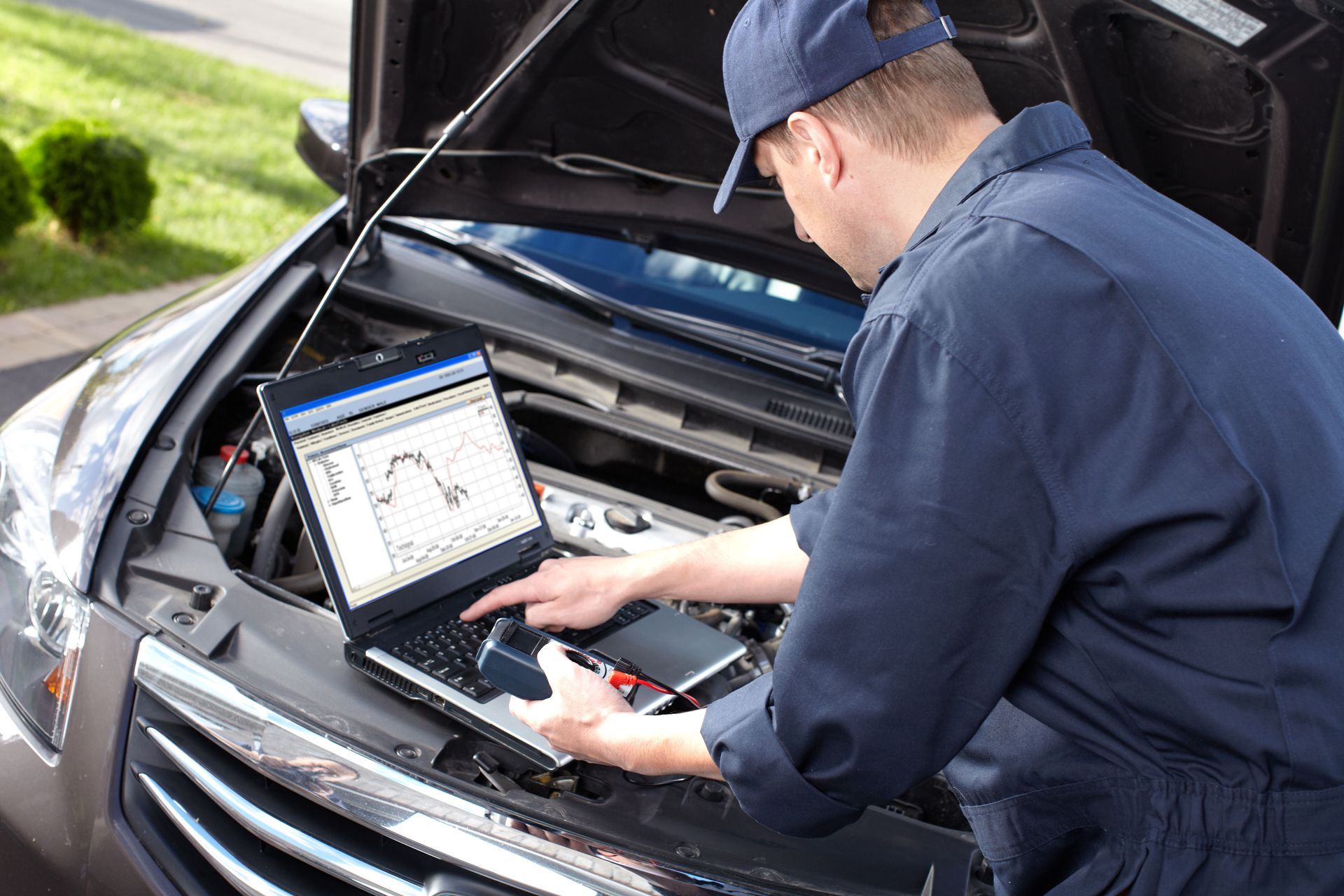
An experienced car mechanic can use diagnostic scanning equipment to retrieve trouble codes and investigate the affected systems. However, a trouble code does not always identify the exact component requiring replacement. Additional testing may be necessary to examine wiring, sensors, fuel delivery, or engine performance. A thorough diagnosis helps prevent unnecessary repairs and ensures that the actual problem receives attention.
2. Identifying Unusual Engine Noises
Engines produce recognizable sounds during normal operation, but knocking, ticking, grinding, or rattling can indicate developing mechanical problems. These noises may originate from worn bearings, insufficient lubrication, damaged belts, or internal engine components. The timing and intensity of a sound can provide useful clues. For example, a noise that becomes louder during acceleration may have a different cause than one occurring only during startup.
Professional technicians evaluate engine noises by considering operating conditions, maintenance history, and related symptoms. They may inspect lubrication levels, accessory components, and internal mechanical systems to locate the source. Some sounds indicate relatively minor concerns, while others require immediate attention to prevent extensive damage. Accurate diagnosis helps drivers avoid replacing unrelated components and supports appropriate repair decisions.
3. Diagnosing Transmission Shifting Problems
Transmission problems can affect how smoothly a vehicle accelerates and changes gears. Drivers may notice delayed engagement, slipping gears, hesitation, harsh shifting, or unusual vibrations. These symptoms can result from low transmission fluid, worn internal components, electronic control problems, or hydraulic system malfunctions. Because transmissions contain numerous interconnected parts, determining the cause often requires specialized knowledge and diagnostic equipment.
A qualified car mechanic can examine transmission fluid condition, retrieve diagnostic information, and evaluate shifting performance. Depending on the findings, additional inspections may be necessary to identify mechanical or electrical faults. Addressing transmission concerns promptly can help prevent additional wear and potentially expensive repairs. Continuing to drive with severe slipping or engagement problems may worsen existing damage and compromise vehicle reliability.
4. Evaluating Brake System Malfunctions
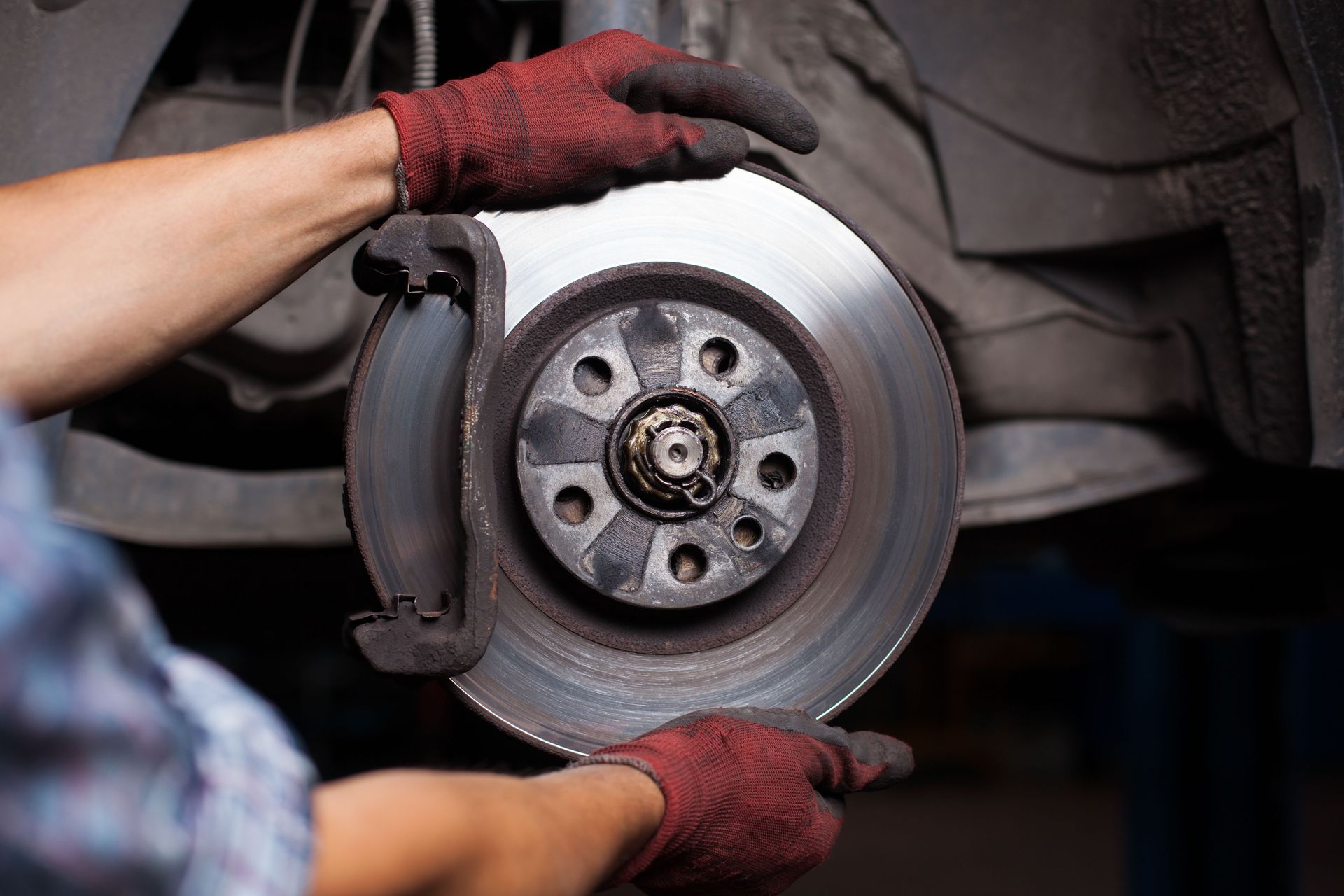
Braking problems deserve immediate attention because they directly affect vehicle safety. Common warning signs include squealing, grinding, vibrations, reduced stopping performance, or a brake pedal that feels unusually soft. These symptoms may indicate worn brake pads, damaged rotors, hydraulic leaks, or problems involving the master cylinder. Electronic braking components can also malfunction, creating additional diagnostic challenges.
Professional brake inspections involve more than checking visible pad thickness. Technicians may evaluate hydraulic pressure, fluid condition, caliper operation, and electronic braking systems. A car mechanic can identify whether the concern involves normal component wear or a more complicated malfunction. Drivers experiencing significantly reduced braking performance should avoid operating the vehicle until it has been safely evaluated. Timely diagnosis helps maintain dependable stopping ability.
5. Detecting Electrical System Failures
Modern vehicles depend on electrical systems for starting, lighting, climate control, safety features, and engine management. Electrical problems may appear as intermittent starting difficulties, flickering headlights, malfunctioning accessories, or repeated battery discharge. These symptoms can involve the battery, alternator, starter, wiring, relays, or electronic control modules. Because several components share electrical circuits, locating the source can be challenging.
Technicians use specialized testing equipment to measure voltage, inspect circuit continuity, and identify excessive electrical loads. They may also examine wiring connections, charging performance, and electronic communication between vehicle systems. Replacing a battery without checking the charging system, for example, may leave the original problem unresolved. Comprehensive electrical diagnostics help determine whether the issue involves a failing component, damaged wiring, or another underlying condition.
6. Examining Steering and Suspension Problems
Steering and suspension components influence vehicle handling, stability, and ride comfort. Drivers may notice pulling to one side, excessive bouncing, uneven tire wear, or clunking noises when traveling over bumps. These symptoms can result from worn ball joints, damaged control arms, deteriorating shocks, or alignment problems. Some concerns develop gradually, making changes in vehicle handling difficult to recognize immediately.
An experienced car mechanic can inspect suspension components, evaluate steering response, and identify signs of looseness or deterioration. Wheel alignment measurements may also help determine whether the vehicle's geometry requires adjustment. Because steering and suspension problems can affect tire contact with the road, professional evaluation is important. Addressing worn components helps maintain predictable handling and may reduce premature tire wear.
7. Troubleshooting Cooling System Concerns
The cooling system regulates engine temperature and helps prevent overheating. Problems may appear as rising temperature readings, coolant leaks, unusual odors, or inconsistent cabin heating. Common causes include damaged hoses, failing water pumps, malfunctioning thermostats, and radiator problems. Some cooling issues develop slowly, while others cause rapid temperature increases that require immediate attention.
Professional diagnosis may involve pressure testing, inspecting coolant circulation, and evaluating temperature sensors and cooling fans. Technicians can also look for evidence of internal engine problems that allow coolant to escape or become contaminated. Continuing to drive an overheating vehicle can cause serious engine damage. Drivers should stop safely when overheating occurs and arrange appropriate assistance rather than attempting to continue their journey.
8. Assessing Fuel System Performance Issues
Fuel delivery problems can affect acceleration, engine starting, and overall driving performance. Drivers may experience hesitation, rough idling, stalling, or reduced fuel efficiency. These symptoms can originate from clogged fuel injectors, failing pumps, contaminated fuel, or malfunctioning pressure regulators. However, ignition and air intake problems can produce similar symptoms, making accurate diagnosis especially important.
A professional car mechanic can evaluate fuel pressure, injector operation, and related engine management components. Diagnostic testing helps distinguish fuel delivery problems from ignition misfires or sensor malfunctions. Identifying the correct cause prevents unnecessary replacement of functioning parts. Addressing fuel system concerns can restore consistent engine performance and reduce the likelihood of unexpected breakdowns during everyday driving.
9. Investigating Exhaust and Emissions Problems
Exhaust systems direct combustion gases away from the vehicle while helping control emissions and noise. Problems may produce loud exhaust sounds, unusual odors, reduced engine performance, or illuminated warning lights. Damaged exhaust pipes, failing catalytic converters, leaking gaskets, and malfunctioning emissions sensors are possible causes. Certain exhaust leaks can also allow harmful gases to enter occupied areas.
Technicians can inspect exhaust components, evaluate emissions-related trouble codes, and test sensors to identify the underlying problem. A car mechanic may also examine engine operation because combustion problems can damage emissions components over time. Proper diagnosis helps determine whether repairs should focus on the exhaust system or another contributing issue. Prompt attention is particularly important when exhaust fumes are noticeable inside the vehicle.
Vehicle problems can involve complicated interactions between mechanical components, electrical systems, and computerized controls. Warning lights, unusual engine noises, transmission difficulties, brake malfunctions, and steering concerns often require professional diagnostic equipment and technical knowledge. Cooling, fuel delivery, and exhaust problems can also produce symptoms that resemble unrelated failures. According to IBISWorld, the U.S. auto mechanics industry has a market value of $92.1 billion in 2026, reflecting the significant need for vehicle maintenance and repair services. Working with an experienced car mechanic can help drivers identify underlying problems, avoid unnecessary component replacements, and make informed decisions about their vehicles. Addressing warning signs promptly supports dependable performance and helps reduce the risk of additional damage. For professional vehicle diagnostics, maintenance, and repairs, contact Scotty's Complete Car Care Center today.