November 11, 2026
Your vehicle's braking system is one of its most important safety features. Whether you're navigating busy streets, traveling on highways, or responding to unexpected road hazards, dependable stopping power is essential. Maintaining your brakes helps protect passengers, pedestrians, and other motorists while reducing the likelihood of expensive mechanical problems.
At Scotty's Complete Car Care Center, we understand the importance of keeping your braking system in reliable condition. Knowing how brake pads function, recognizing warning signs, and scheduling professional inspections can help you make informed maintenance decisions.
Understanding the Importance of Brake Pads
How Brake Pads Work
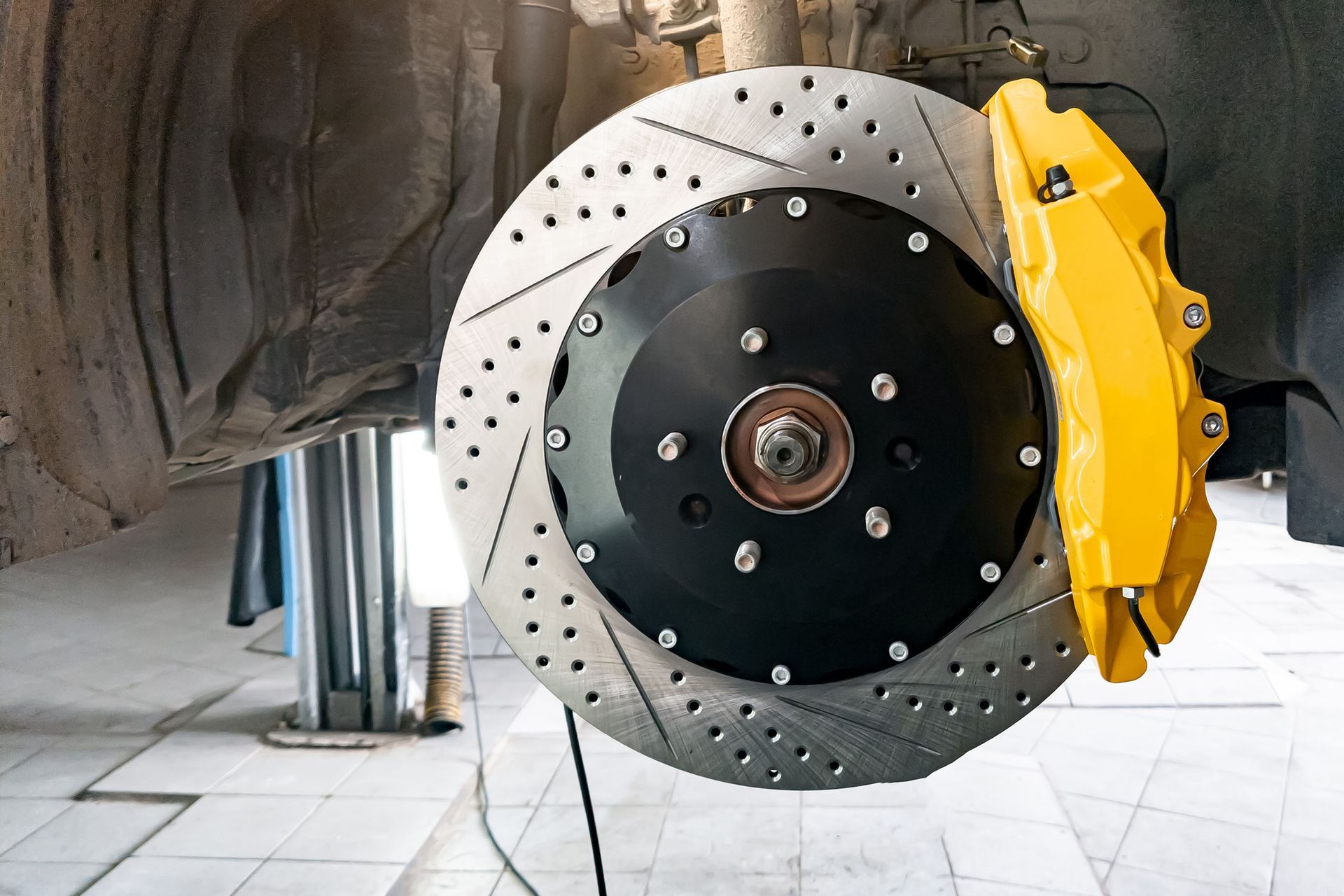
Brake pads are essential components of a vehicle's disc braking system. When you press the brake pedal, hydraulic pressure causes the calipers to squeeze the pads against rotating brake discs, commonly called rotors. This interaction creates friction that converts the vehicle's motion into heat, allowing it to slow down or stop.
Brake pads contain friction materials attached to sturdy backing plates. These materials must withstand considerable pressure and temperature changes during everyday driving. Because friction gradually wears away the material, brake pads require periodic replacement to maintain dependable performance.
Different vehicles require different pad materials. Ceramic, organic, and semi-metallic options offer varying characteristics regarding durability, noise, heat resistance, and performance. Professional technicians can recommend suitable components based on manufacturer specifications and driving conditions.
How Brake Pads Support Vehicle Safety
Properly functioning brake pads contribute to predictable stopping performance. When these components maintain adequate thickness and consistent contact with the rotors, they help the braking system deliver controlled deceleration.
However, worn or damaged pads may contribute to reduced braking effectiveness, unusual noises, and damage to surrounding components. Severe deterioration can expose metal backing plates, potentially damaging rotors and increasing repair expenses.
Maintaining your brakes also supports the operation of advanced vehicle safety technologies. Anti-lock braking systems and electronic stability control depend on properly functioning braking components to help drivers maintain control under challenging conditions.
Professional maintenance helps identify problems before they compromise the vehicle's overall safety.
Recognizing the Warning Signs of Brake Pad Wear
Identifying Unusual Braking Noises
Squealing, squeaking, and grinding noises are common indications that a braking system needs attention. Some brake pads feature metal wear indicators designed to produce high-pitched sounds when the friction material approaches its replacement threshold.
However, not every squealing noise indicates worn pads. Moisture, debris, vibration, and certain friction materials can also produce temporary sounds.
Grinding noises deserve particular attention because they may indicate severe component wear or metal-to-metal contact. Continuing to operate a vehicle with significant brake damage can lead to additional repairs. Having your brakes inspected when unfamiliar sounds develop can help prevent further deterioration.
Our technicians at Scotty's Complete Car Care Center can inspect the system, identify the source of unusual noises, and recommend appropriate repairs.
Identifying Changes in Pedal Response
Changes in brake pedal response can indicate problems involving several braking components. A pedal that feels unusually soft, requires excessive pressure, or travels farther than normal should receive professional attention.
Vibration or pulsation during braking may result from uneven rotor thickness, irregular friction deposits, or other mechanical conditions. These symptoms can affect driving comfort and indicate that components require inspection.
A vehicle that pulls toward one side while stopping may have uneven braking force, caliper problems, or other mechanical issues.
Because several conditions can produce similar symptoms, a complete professional diagnosis is more reliable than assuming the brake pads are responsible.
Identifying Increased Stopping Distances
A noticeable increase in stopping distance should never be ignored. Although road conditions, tire traction, vehicle weight, and driving speed influence stopping performance, mechanical problems can also contribute.
Worn components, contaminated friction surfaces, and hydraulic system issues may reduce braking effectiveness. These problems can become especially dangerous when drivers must respond quickly to unexpected hazards.
If your vehicle no longer stops as predictably as it once did, arrange a professional inspection promptly. Significant loss of braking ability requires stopping safely and having the vehicle professionally transported rather than continuing to drive.
Understanding the Causes of Brake Pad Wear
How Driving Habits Affect Wear
Driving habits significantly influence how quickly brake pads deteriorate. Frequent hard stops generate substantial friction and heat, potentially accelerating component wear.
Stop-and-go traffic also increases braking frequency compared with steady highway driving. Drivers who regularly encounter congested roads may require inspections and replacements more frequently.
Vehicle weight matters as well. Carrying heavy loads or towing equipment increases the energy the braking system must absorb when slowing down.
While normal wear is unavoidable, understanding these factors helps explain why replacement intervals vary between vehicles.
How Road Conditions Affect Wear
Environmental conditions can also influence braking system performance and durability. Dust, moisture, road salt, and debris may contribute to corrosion or interfere with component operation.
Driving through mountainous areas places additional demands on braking components, particularly during extended descents. Excessive heat can contribute to brake fade, temporarily reducing braking effectiveness.
Seasonal weather changes may also expose existing mechanical problems. Corroded caliper hardware, for example, can prevent pads from moving properly and contribute to uneven wear.
Regular inspections help technicians identify environmental damage and determine whether maintenance or replacement is necessary. Keeping your brakes professionally maintained is particularly important when your vehicle regularly encounters challenging road conditions.
How Mechanical Problems Affect Wear
Brake pads sometimes wear unevenly because of problems elsewhere in the system. Sticking calipers, damaged slide pins, and improperly functioning hardware can create excessive friction on individual wheels.
Rotor condition also influences pad performance. Uneven surfaces, corrosion, and excessive rotor thickness variation may contribute to vibration or inconsistent contact.
Replacing worn pads without correcting the underlying mechanical problem may result in premature deterioration of the new components.
A thorough professional inspection evaluates related parts to identify conditions that could affect the durability and effectiveness of replacement materials.
Understanding the Value of Professional Brake Maintenance
How Inspections Help Prevent Expensive Repairs
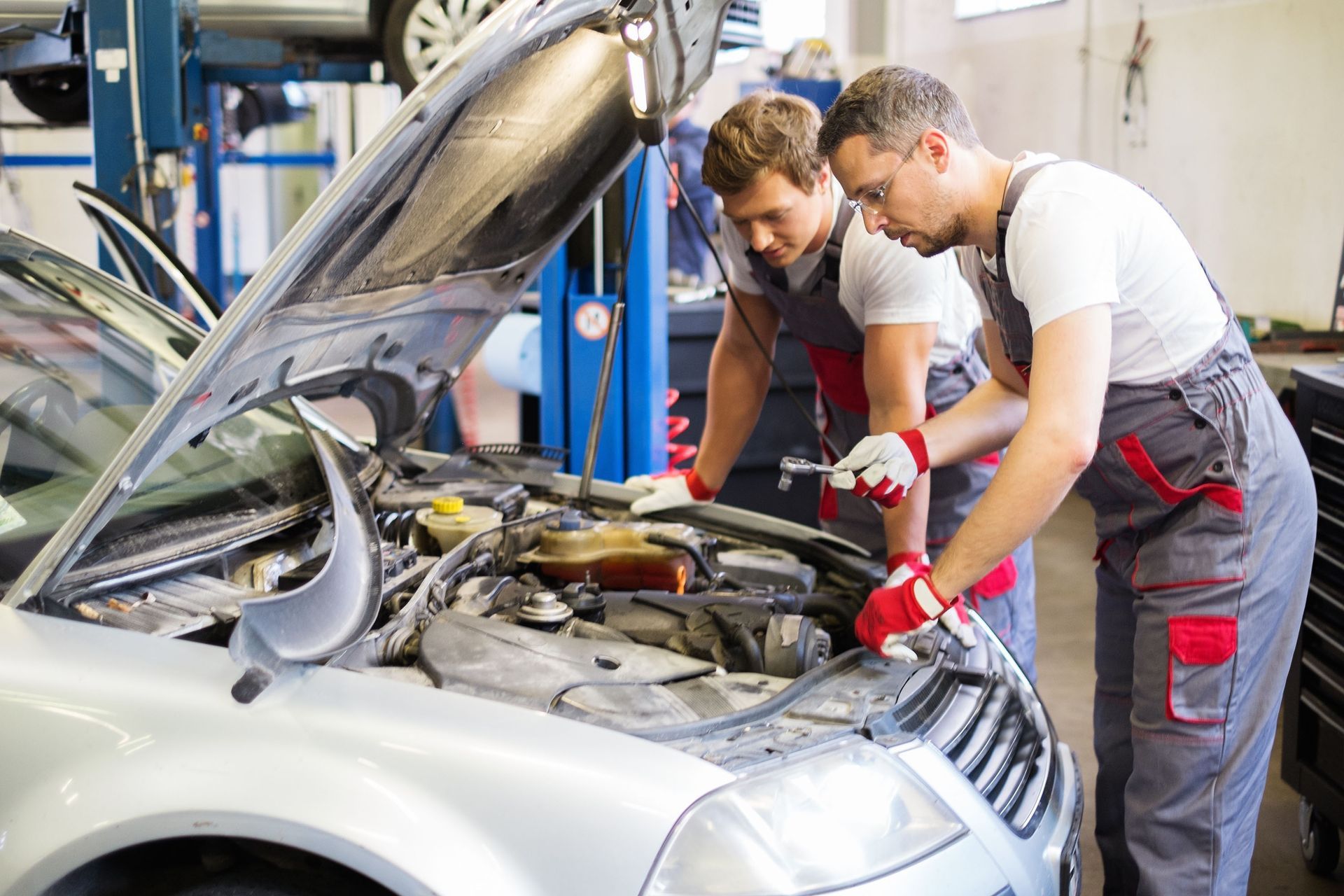
Professional brake inspections provide valuable information about component condition and overall system performance. Technicians can measure pad thickness, examine rotors, inspect calipers, and evaluate visible hydraulic components.
Identifying worn pads before they damage surrounding parts may help reduce future repair expenses.
According to Car Talk, the cost to replace a single set of brakes typically ranges from $400 to $800. Actual costs vary depending on the vehicle, labor rates, replacement components, and the extent of necessary repairs.
Delaying service can increase expenses when damaged pads affect rotors or other mechanical components. Addressing problems promptly can help prevent relatively manageable maintenance needs from developing into more extensive repairs.
How Professional Repairs Support Reliability
Professional brake service involves more than installing replacement pads. Technicians must evaluate component compatibility, inspect associated hardware, and follow appropriate manufacturer procedures.
At Scotty's Complete Car Care Center, we recognize that every vehicle has different maintenance requirements. Our approach emphasizes identifying the cause of braking problems and recommending services appropriate to the vehicle's condition.
Quality replacement components, correct installation, and careful inspection help support dependable operation. Properly serviced brakes can also contribute to a more comfortable driving experience by reducing unusual vibrations and inconsistent stopping responses.
Professional service also provides an opportunity to identify related concerns that drivers might not notice during ordinary vehicle use.
How Routine Maintenance Supports Long-Term Safety
Brake maintenance should be part of a comprehensive vehicle care schedule. Because replacement intervals depend on driving conditions, vehicle design, and component materials, there is no single mileage recommendation suitable for every driver.
Following manufacturer guidelines and responding promptly to unusual symptoms can help maintain consistent performance.
Routine appointments also allow technicians to monitor gradual wear and explain when replacement may become necessary. This approach supports maintenance planning and helps drivers avoid unexpected service interruptions. Scheduling regular inspections of your brakes can also provide greater confidence when traveling long distances or driving in demanding conditions.
At Scotty's Complete Car Care Center, we're committed to helping customers understand their vehicle's maintenance needs and make confident decisions about necessary repairs.
Your safety deserves dependable braking performance. If you're experiencing unusual noises, changes in pedal response, or concerns about worn components, contact Scotty's Complete Car Care Center to schedule a professional brake inspection. Our team is ready to help you maintain a safer, more reliable vehicle.